 Fishician®
Set up your first aquarium without guessing
A practical order of operations for choosing livestock, sizing the aquarium, establishing biofiltration, stocking gradually, and building a routine you can repeat.
Start with the animals, not the decoration
Write down the species you hope to keep before choosing a tank. Research adult size, body shape, swimming pattern, social grouping, territorial behavior, diet, water type, temperature, and likely lifespan. A small juvenile may need much more room as an adult, and a schooling species may need companions rather than one specimen.
Use a tank-size recommendation as a starting floor, not a complete stocking answer. Aquarium footprint, usable swimming length, oxygenation, hiding places, filtration, group size, waste production, and individual behavior all matter. If reliable sources disagree, choose the more cautious plan while you investigate.
Match the system to the plan
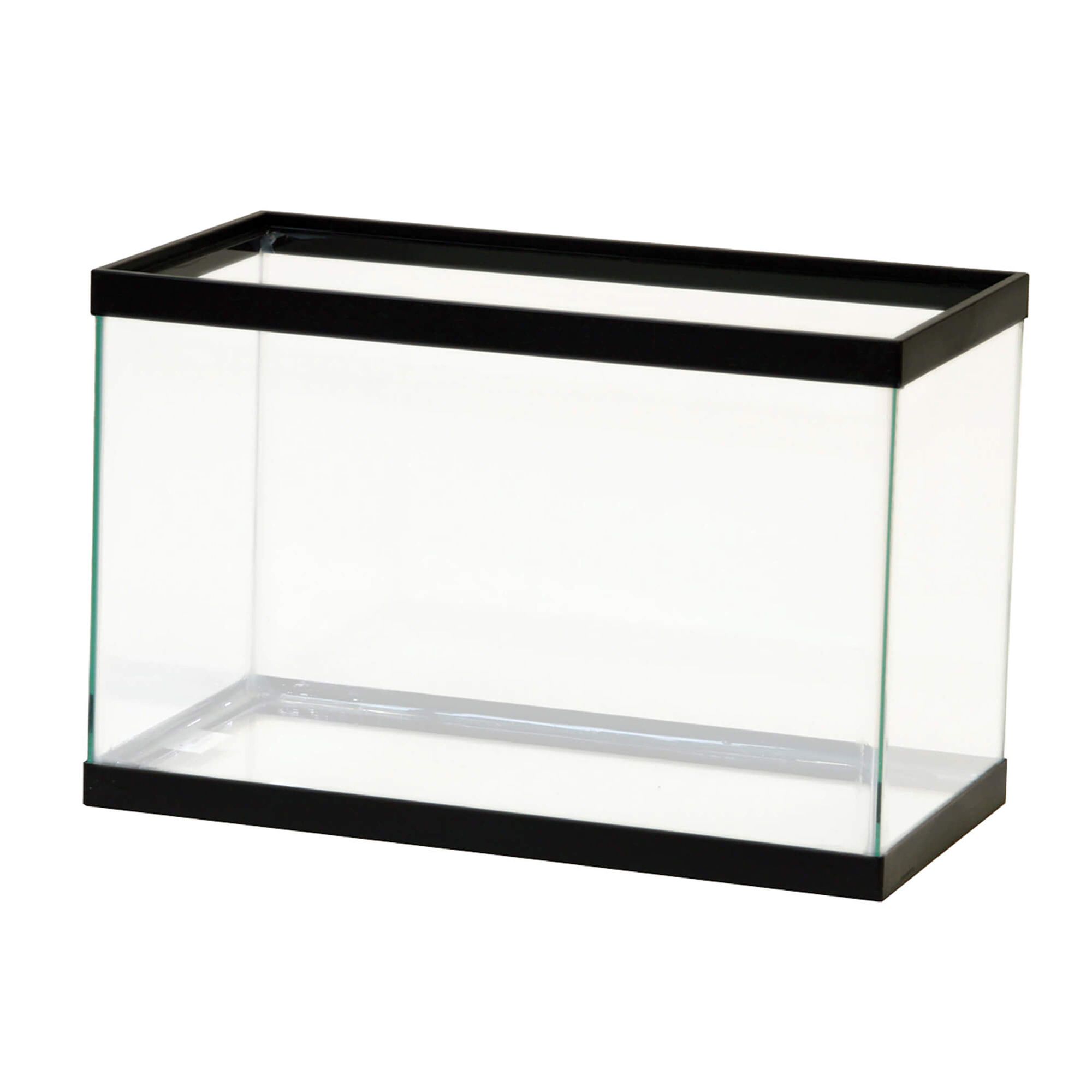
Choose an aquarium that fits the adult stocking plan and the space where it will live. Confirm the filled weight can be supported by the stand and floor, electrical cords can form drip loops, and every area is reachable for maintenance. A secure lid matters for species that jump and helps keep household contaminants out.
Plan filtration for biological capacity and serviceability, not only a marketing flow number. Select heating, cooling, lighting, circulation, substrate, and salinity equipment for the animals and plants you intend to keep. Read manufacturer instructions and keep equipment accessible enough to inspect without dismantling the aquarium.
Prepare water and establish the biofilter
Know your source water before adding livestock. Municipal water may require a conditioner that addresses chlorine or chloramine; well water can present different chemistry or gas concerns. For marine systems, mix saltwater with an aquarium salt product and measure salinity with maintained equipment rather than estimating by scoop count.
A new biological filter needs time and a controlled ammonia source to establish microorganisms that convert ammonia to nitrite and then nitrate. A calendar alone cannot prove that the aquarium is cycled. Test ammonia and nitrite and confirm the system can process the controlled input without exposing animals. Avoid using fish as the routine ammonia source for a new cycle.
Add livestock gradually
Before purchase, observe respiration, swimming, skin, fins, eyes, appetite, and the retailer system. Quarantine new fish, plants, and invertebrates when practical and appropriate. Match temperature and water chemistry during acclimation, and do not automatically add retailer transport water to the display tank.
Add compatible animals in a planned order rather than filling the aquarium in one day. Test more often after each addition while the biofilter adjusts. Keep feeding conservative while animals settle, remove persistent uneaten food, and document what changed so a later problem has context.
Build a maintenance rhythm
Observe livestock and equipment every day. Record temperature, unusual breathing, appetite, injuries, leaks, abnormal noise, and failed flow. On a regular schedule, test relevant water parameters, remove waste, perform an appropriate partial water change, and service equipment according to its instructions. Replacing evaporation is separate from a water change: topping off does not remove accumulated dissolved waste.
Do not chase one “perfect” number with repeated rapid adjustments. Stable conditions inside an appropriate range are usually safer than a series of large corrections. When behavior changes, check water quality and recent events first, then seek qualified aquatic-veterinary help for severe, urgent, persistent, or uncertain health problems.
Before buying
Adult stocking plan, tank footprint, filled weight, source water, equipment specifications and placement constraints, safe electrical layout, and a maintenance budget.
Before livestock
Stable temperature, conditioned water, functioning filtration, completed biofilter verification, secure lid, and a quarantine plan.
After each addition
Observe behavior, test more frequently, log the change, feed cautiously, and wait for stability before adding more animals.
Sources and further reading
Each source is listed with the part of this guide it supports. Source scope matters: a taxonomy record, product label, or general husbandry page does not automatically support every care claim.
- Merck Veterinary Manual: Management of Aquarium Fish
System setup, biofiltration, water-quality monitoring, quarantine, and common aquarium-management risks. - University of Florida IFAS: Responsible Aquarium Fish Ownership
Responsible acquisition, species research, long-term planning, and owner obligations. - Merck Veterinary Manual: Providing a Home for Fish
Aquarium environment, filtration capacity, territory, water preparation, and beneficial bacteria.